
U.S. Customs & Trade Compliance Resource
Types of Duty Drawback in the United States:
A Complete Guide
Understanding the types of duty drawback in the United States is essential for businesses that import goods into the U.S. and later export, manufacture, return, or destroy them.
The Main Types of Duty Drawback in the United States
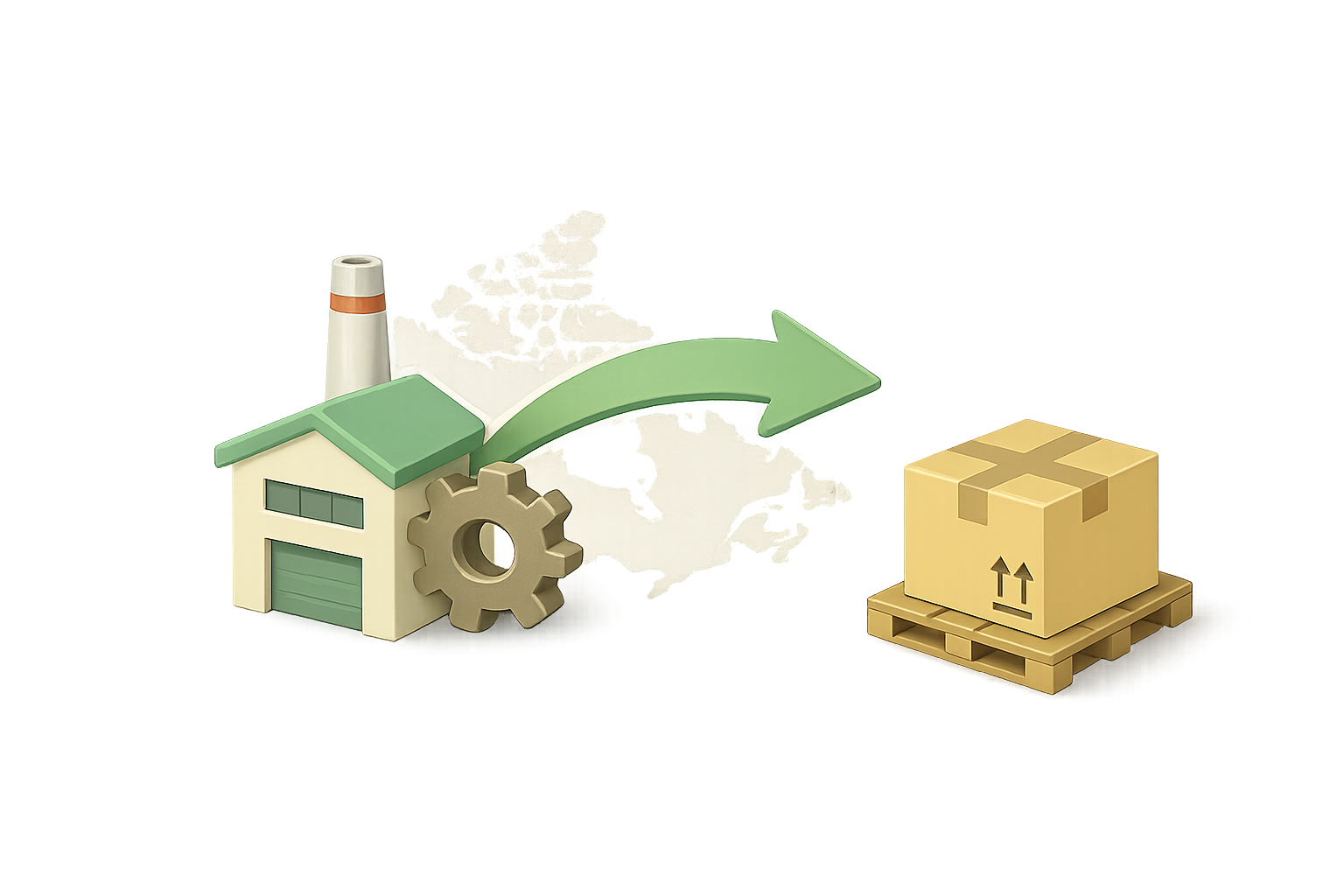
Exported Goods Drawback
Refunds are available when imported goods are exported or destroyed without being used in the United States. This is one of the most common types of duty drawback in the U.S.
Manufacturing Drawback
Duties paid on imported materials may be refunded when those materials are used in goods manufactured in the United States and exported.
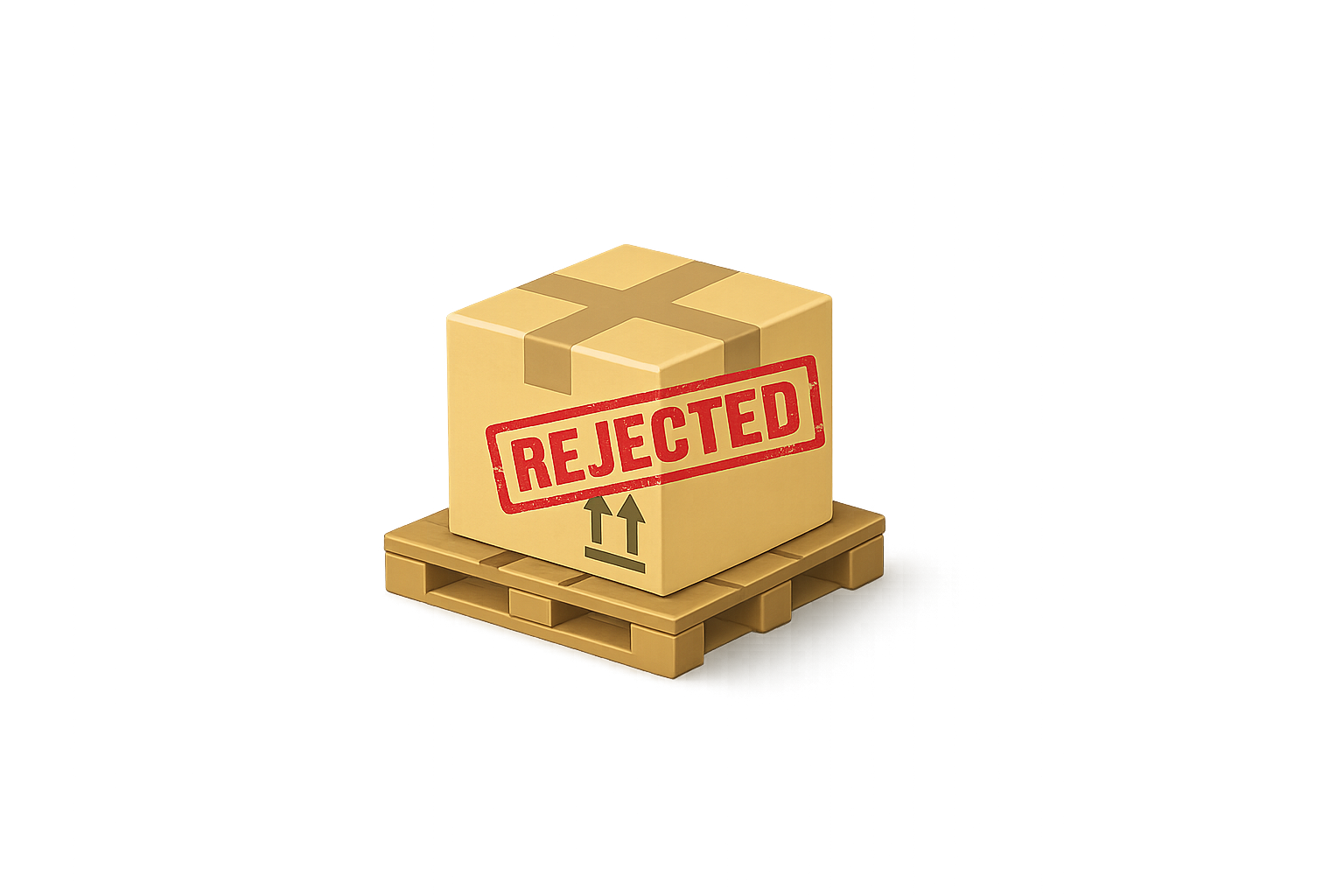
Rejected Goods Drawback
Available when imported goods are defective, damaged, or do not meet specifications and are exported or destroyed.
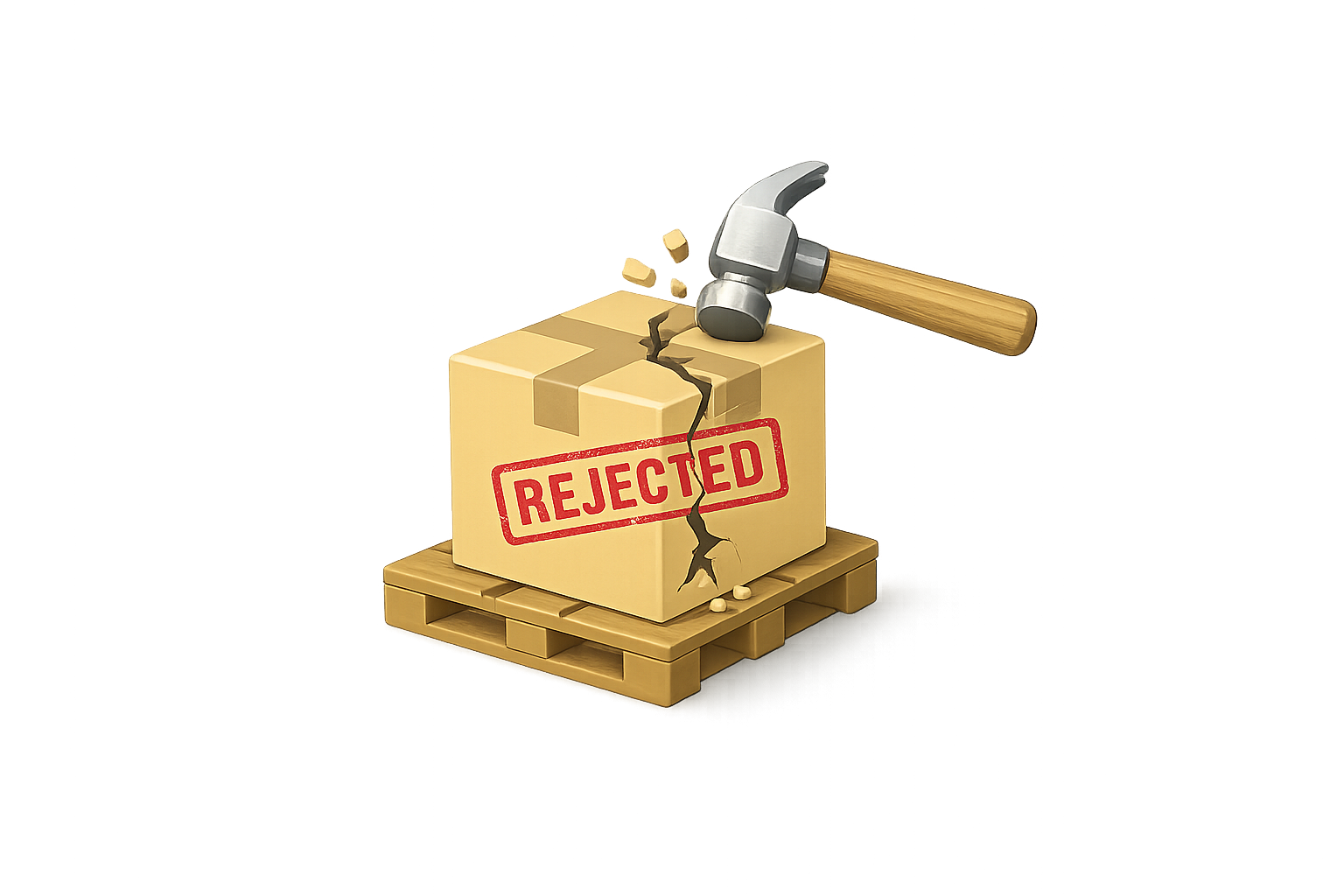
Destroyed Goods Drawback
Duties may be recovered when goods are destroyed under qualifying circumstances.
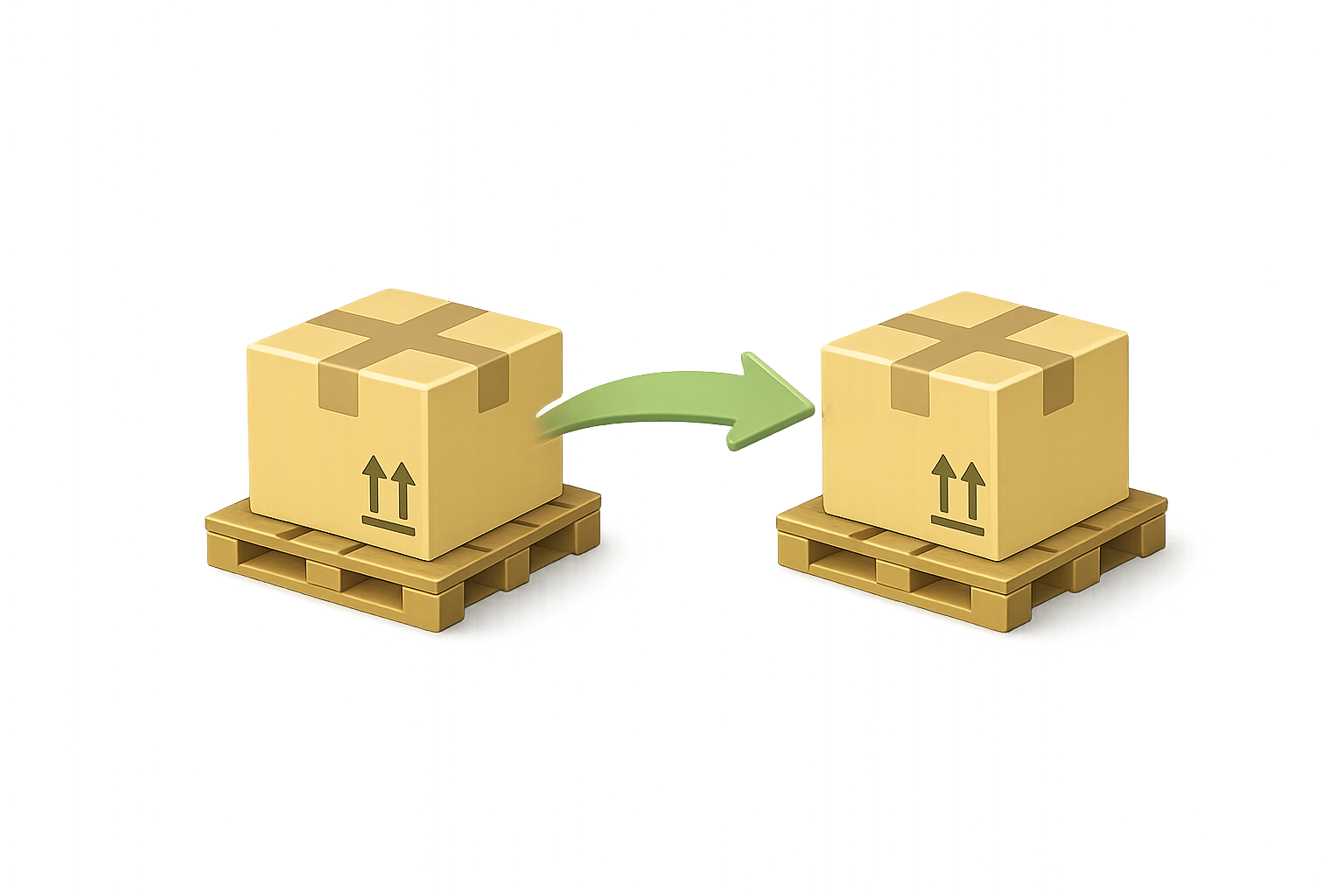
Substitution Drawback
In certain cases, commercially interchangeable goods may qualify under substitution provisions, even if the exact imported item is not directly exported.
Special Industry Drawback
Certain industries, including petroleum and chemical processing, operate under specialized drawback provisions.
Exported Goods Drawback
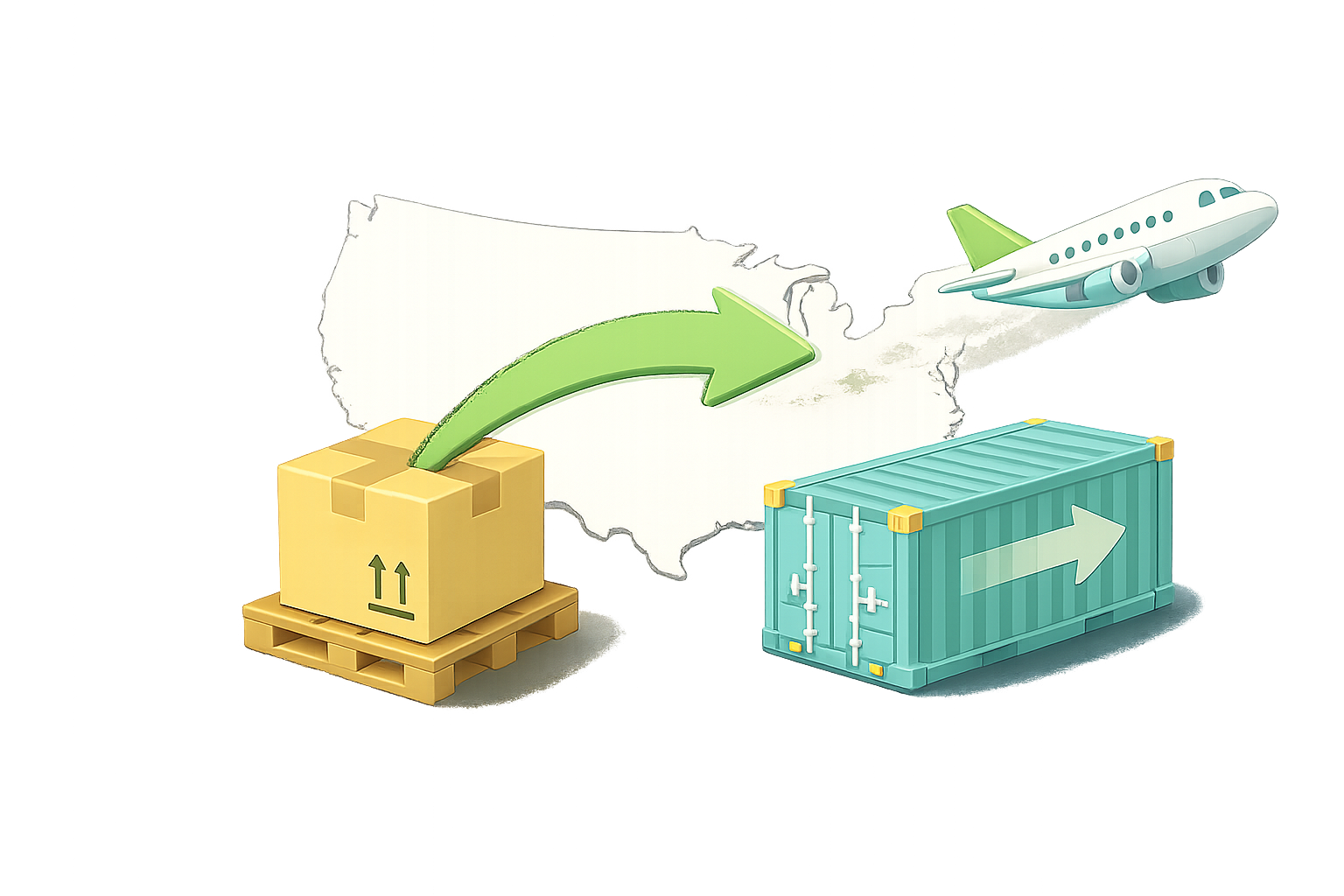
Exported Goods Drawback is one of the most commonly used categories among the types of duty drawback in the United States.
This applies when imported goods are exported or destroyed without being used in U.S. commerce. If the merchandise was not altered, consumed, or substantially transformed before export or destruction, duties paid at import may be recoverable.
Who It Applies To
Distributors importing finished goods for resale abroad
Wholesalers re-exporting excess inventory
Companies shipping goods cross-border to U.S. customers
E-commerce businesses fulfilling international orders
Manufacturing Drawback
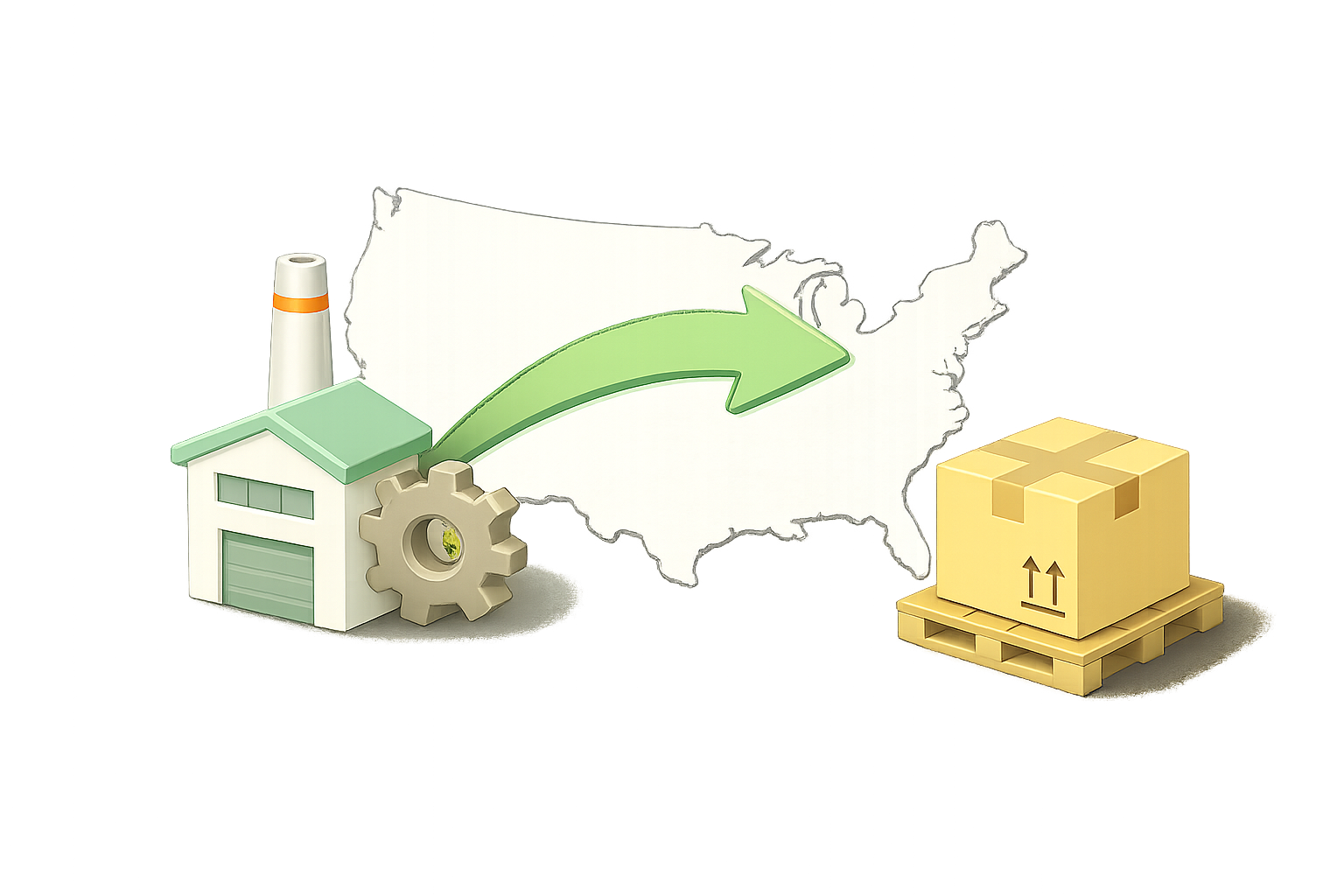
Manufacturing Drawback is one of the most strategically valuable types of duty drawback in the United States, particularly for industrial and production-based companies.
What Qualifies:
If you import raw materials, parts, or components and those inputs are incorporated into finished goods that are exported, duties paid on the imported materials may be recoverable.
Common Industries:
Automotive parts manufacturing
Aerospace and defense
Industrial equipment assembly
Electronics manufacturing
Consumer packaged goods
Rejected Goods Drawback
Not all imported goods meet expectations.
Rejected Merchandise Drawback applies when imported goods are defective, do not meet specifications, or were not the merchandise ordered, and are later exported or destroyed.
This is one of the most underutilized types of duty drawback in the United States.
Examples:
Products failing U.S. regulatory inspection
Quality control failures
Incorrect specifications shipped by supplier
Damaged goods discovered post-import
Destroyed Goods Drawback
When imported goods cannot be sold or exported, they may be destroyed. If destruction occurs under qualifying conditions, duties paid may be recoverable.
Destroyed Merchandise Drawback provides a recovery option when resale or export is not possible.
This applies to:
Expired products
Damaged inventory
Safety recall items
Non-compliant imports
Substitution Drawback
Substitution Drawback allows for refund claims when commercially interchangeable goods are substituted in export scenarios.
This provision is particularly powerful under modern U.S. drawback law and allows greater flexibility compared to strict direct identification.
It is especially valuable for high-volume operations managing standardized inventory.
Because substitution rules can be complex, professional review is often recommended.
Special Industry Drawback
Certain industries, including petroleum refiners and chemical processors, operate under specialized drawback provisions under U.S. law.
These programs can involve high-value claims and structured compliance requirements.
Companies operating in large-scale manufacturing or energy sectors often benefit from detailed drawback analysis.
Duty Drawback Expertise for U.S. Businesses
We specialize in helping U.S. importers, exporters, and manufacturers navigate the types of duty drawback available under federal customs law.
With in-depth knowledge of eligibility standards, claim strategy, and regulatory compliance, we assist businesses in identifying and recovering eligible duties.
Specialized focus on U.S. customs duty drawback
Understanding of CBP audit standards
Structured documentation review process
Experience across multiple industries

Frequently Asked Questions
What is duty drawback in simple words?
Duty drawback is a refund of customs duties paid on imported goods that are later exported, destroyed, or used to produce goods that are exported. If the goods don’t remain in the country for domestic consumption, the duties paid may be recoverable.
How does duty drawback work?
A company imports goods and pays customs duties. If those goods are later exported or otherwise qualify under drawback rules, the company can file a claim with customs authorities to recover eligible duties.
Who is eligible for duty drawback?
Importers, exporters, manufacturers, and distributors may qualify, provided they can document that imported goods were exported, incorporated into exported products, returned to suppliers, or destroyed in accordance with regulations.
How do I know if I qualify for duty drawback?
Goods may qualify if they are:
- Exported in the same condition
- Used in manufacturing exported products
- Returned to a supplier
- Destroyed under customs supervision
Specific eligibility requirements vary between the U.S. and Canada.
How is duty drawback calculated?
Duty drawback is generally calculated based on the amount of customs duties originally paid on the imported goods. In some cases, trade agreements or destination country rules may affect the refundable amount.
Do I really pay nothing upfront?
Correct. Drawback Hero works on a contingency fee basis. We invest our time and expertise to identify, prepare, and file your claims. Our fee is a percentage of the refund we recover. If we don't recover anything, you owe us nothing. There are no retainers, setup fees, or hourly charges.
SOCIALS


CONTACT US
TYPES OF DRAWBACK
LEGAL
Copyright 2026. All Rights Reserved.